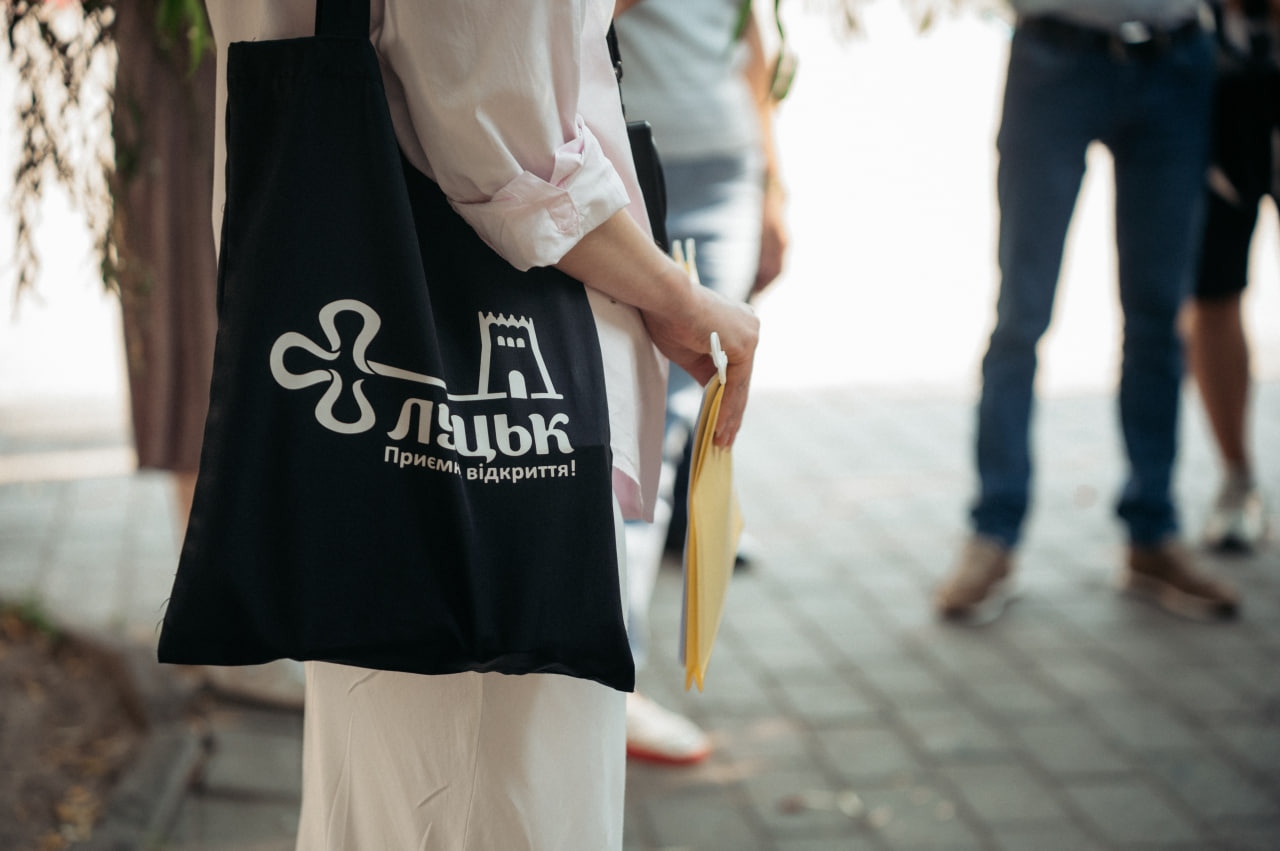
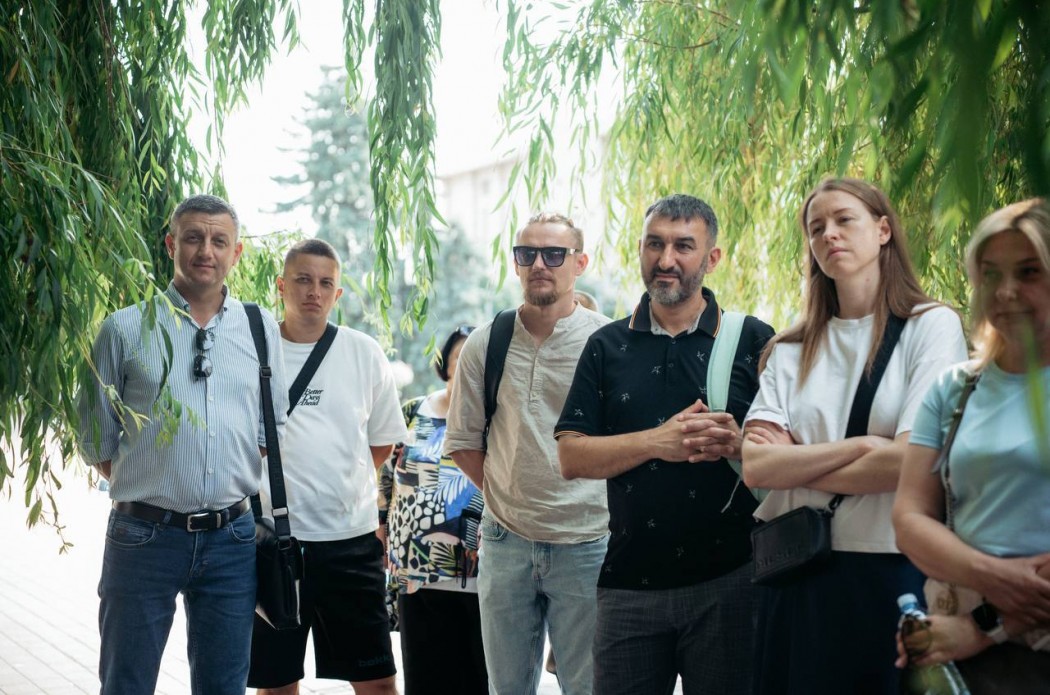
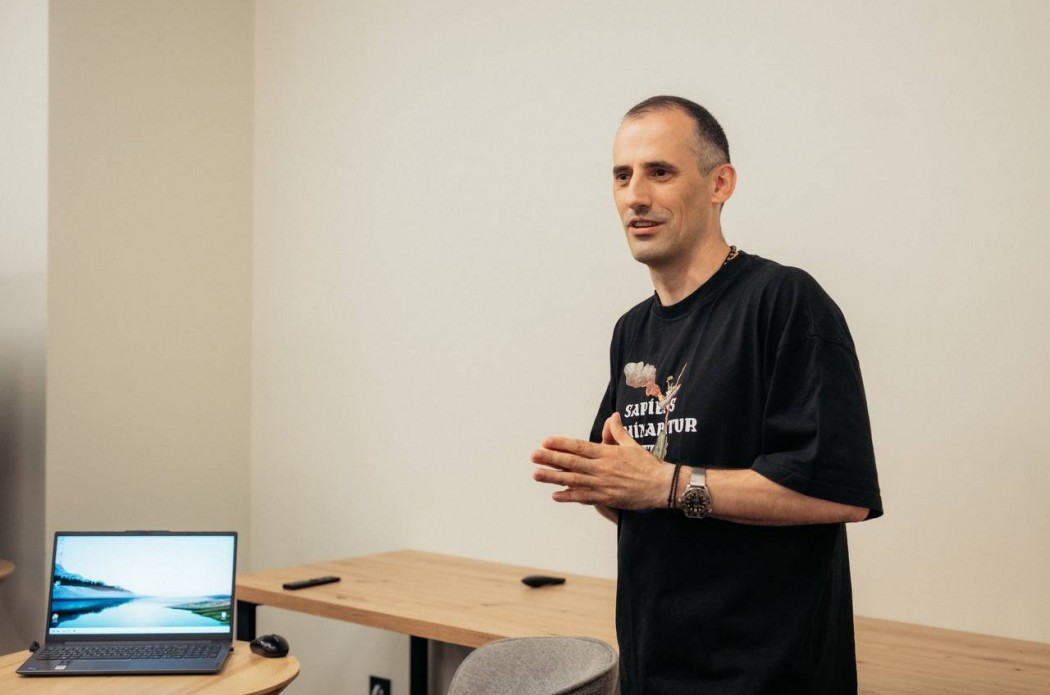
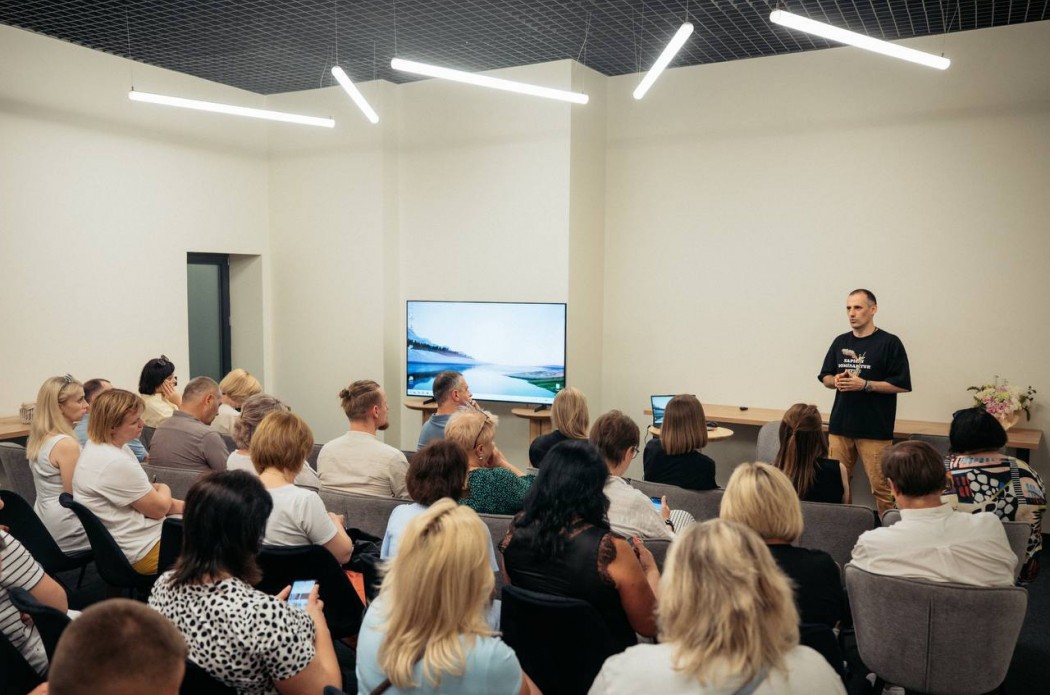
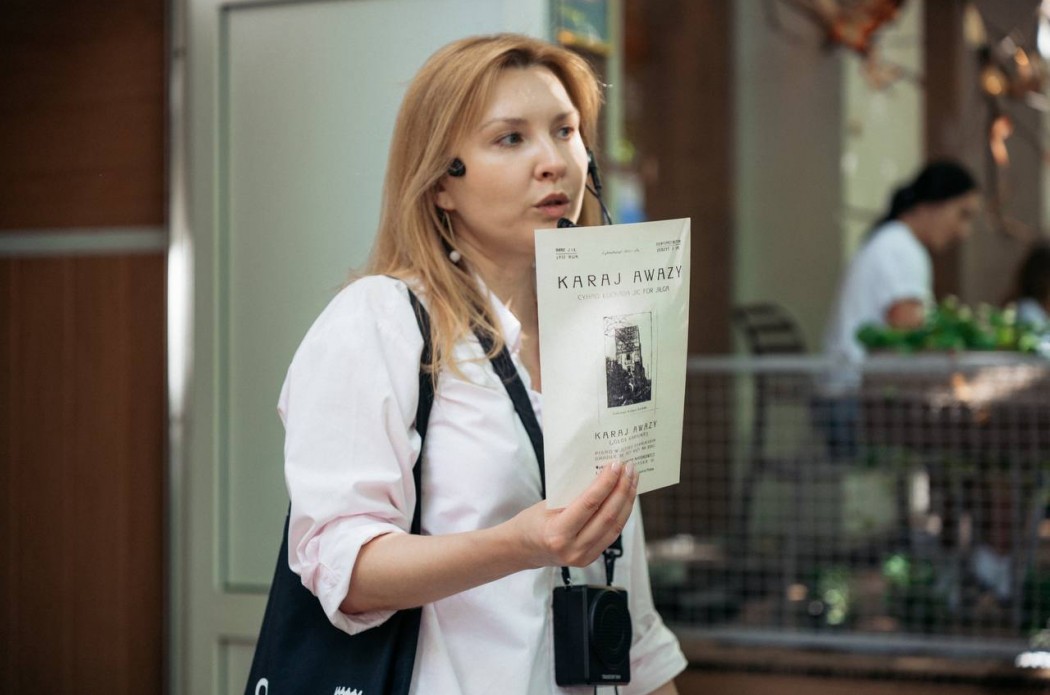
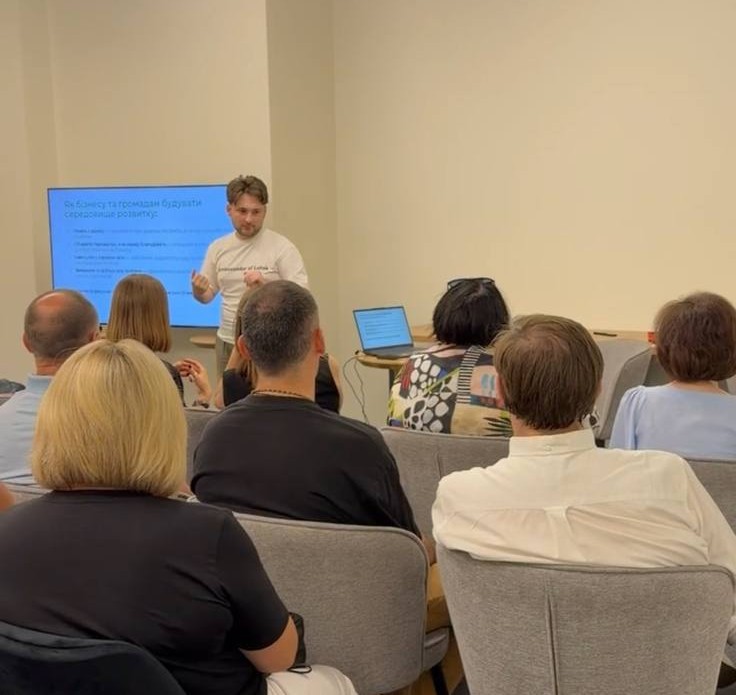
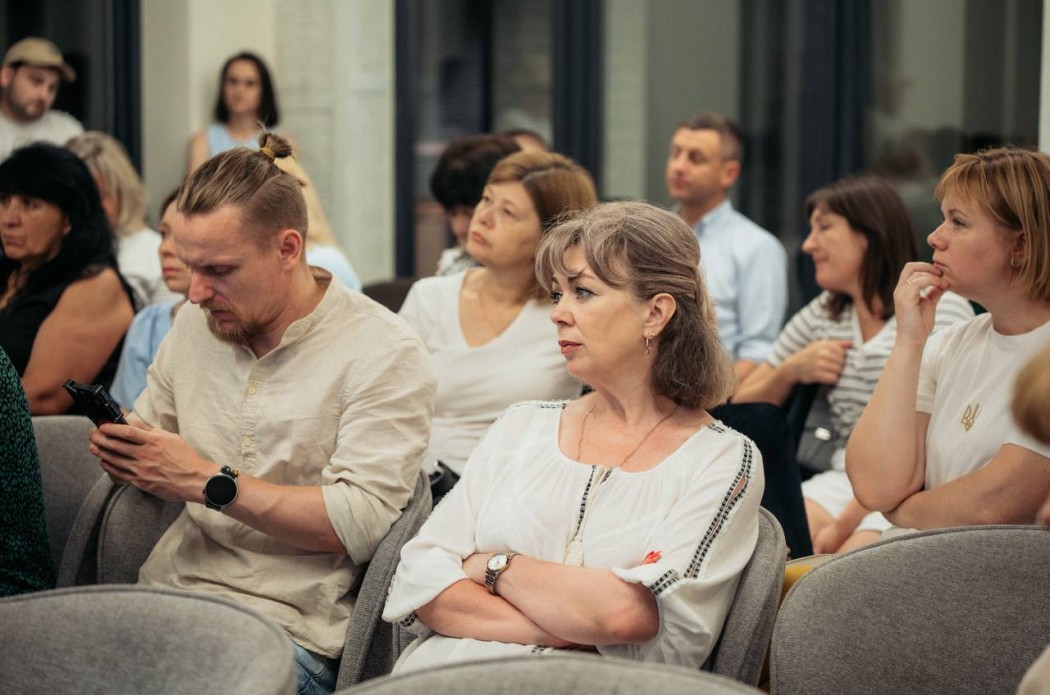
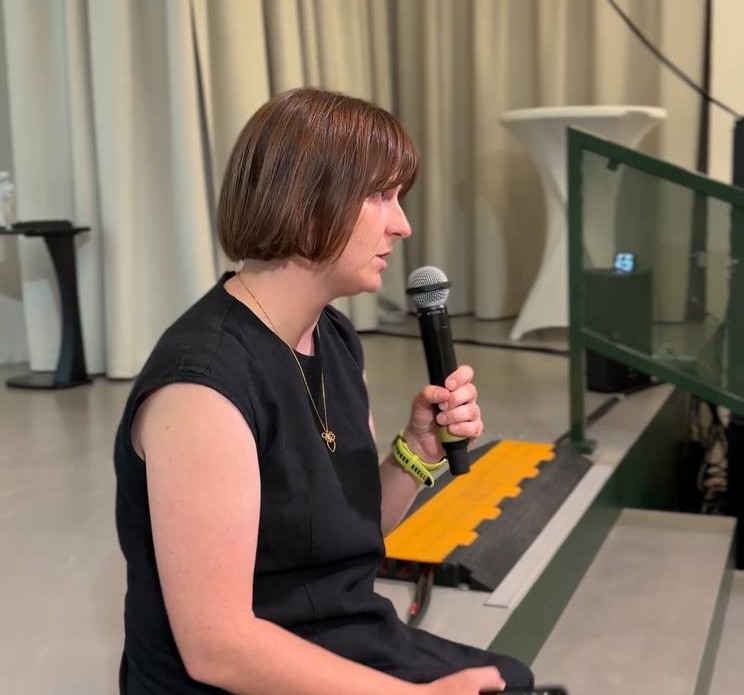
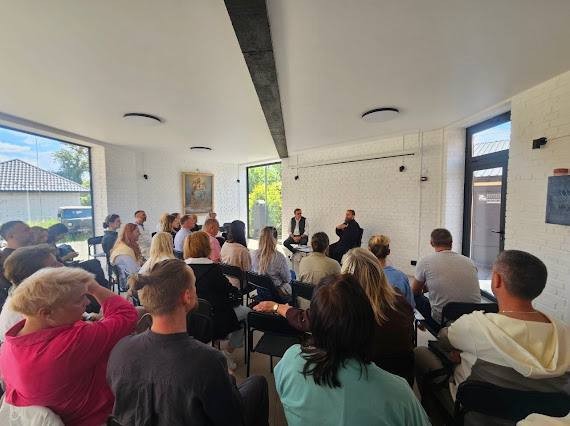
At the off-site module in Lutsk, participants of the program "Communities and Educational Managers: The Strategy of a Holistic Child-Centered System for Personal Development" explored how understanding the characteristics of the environment helps design solutions based on the potential of the community, creating opportunities for its long-term development.
Here are the key theses from the discussion:
Local Identity
The participants examined how history, culture, and the specific features of a territory can form the basis for a long-term development strategy. When a community understands its identity and sees its connection to broader global processes, it can naturally shape its positioning and narratives.
Responsibility for the Environment
The conversation highlighted that responsibility for the community begins with the willingness to care not only for one's home, business, or organization, but also for the surrounding space. This concept is conveyed through the image of a "Ukrainian garden": a good host keeps not only their own yard tidy but also everything that surrounds it. In the interaction between government, business, and the community, it is essential to think not about authorship of individual projects, but about their long-term impact.
Business and Long-term Development
Companies that tie their work to a particular region for years are interested not only in individual projects but also in the quality of the environment—education, youth, culture, and the community's capacity to develop. Therefore, such investments become part of the long-term presence of the business in the area and its development.
Education and Urban Space
The discussion framed the school not just as a place of learning, but as an important focal point of community life. Its spaces and infrastructure, including sports fields, can be open to residents and create greater opportunities for interaction around the school. At the same time, children should be involved in the arrangement of classrooms and public spaces where they spend a significant part of their time. For this, it is crucial for adults to trust them more and not limit their participation out of fear of mistakes or formal checks.
Culture and Memory
Using the example of "Paco House"—the family home of Ukrainian writer, translator, and intellectual Yurko Pokalchuk in Lutsk, which is now a cultural space for residencies and events—the discussion explored how working with the history and memory of a territory can become the foundation for new cultural projects.
Service
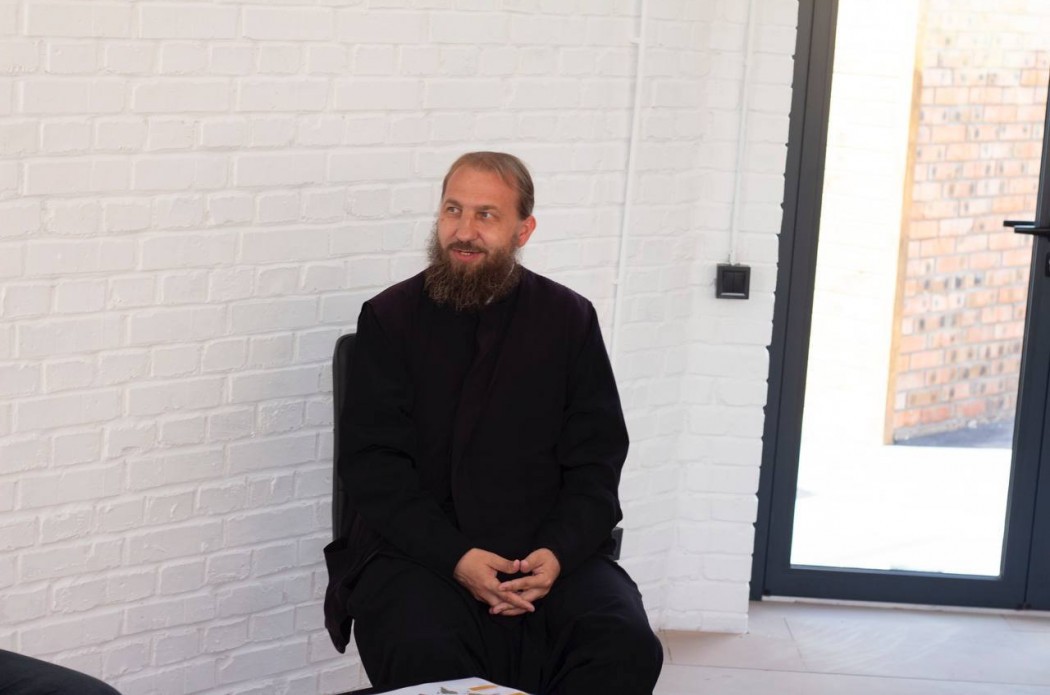
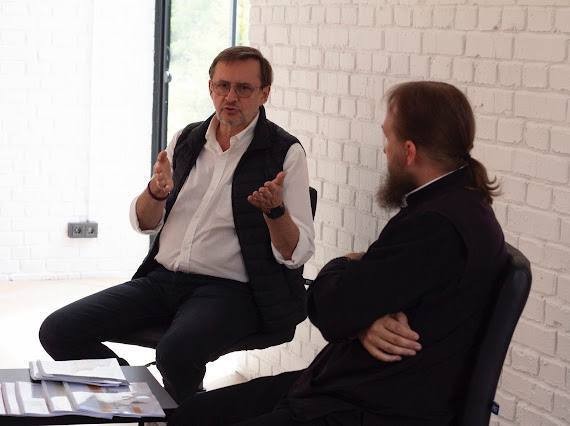
The concluding theme of the module was a conversation with Archimandrite Konstantin, the abbot of the Zhydychyn St. Nicholas Male Monastery, about service and the inner work of a person. He talked about how monastic life is often perceived as an escape from the world's complexities, whereas this path involves significant self-work: a person first examines themselves and only then can they give to others.
Thank you to the partners and speakers who helped the participants see Lutsk and Volyn through various experiences, practices, and perspectives:
- Adam Kharlampovych, a graduate of Presidents' MBA, co-founder of the "Algorithm of Actions" platform;
- Kateryna Moisiuk, head of the Department of Tourism and Promotion of Lutsk City Council;
- Liliya Marachkanets, head of the corporate social responsibility direction of the Kernel agribusiness holding, director of the charitable foundation "Together with Kernel";
- Mykyta Moskaliuk, program curator and international project coordinator of the "Frontera" and "Algorithm of Actions" platforms;
- Kateryna Mykhailiuk, head of the funds department at the Museum of Contemporary Ukrainian Art Korsakiv;
- Valentyna Halushchak, founder of a private school and kindergarten in Lutsk;
- Ella Yatsuta, head of the "Algorithm of Actions" platform, founder of the literary platform "Frontera";
- Lydia Hontar, program director of the NGO "Nova Stolitsa";
- Archimandrite Konstantin, dean of the monasteries of the diocese, abbot of the Zhydychyn St. Nicholas Male Monastery;
- Ruslana Porytska, director of the "Dohory Dryhom" theater.
We also thank the teams of the "Algorithm of Actions" and "Frontera" platforms, the Museum of Contemporary Ukrainian Art Korsakiv, the museum space "Okolny Zamok," the "Dohory Dryhom" theater, and the Zhydychyn St. Nicholas Male Monastery.